
The conflict between Iran and the United States has entered a dangerous new phase after both sides carried out another round of military operations, marking the seventh consecutive night of strikes. The escalating confrontation has spread beyond Iran’s borders, affecting several Gulf nations and increasing fears of a wider regional conflict.
Military analysts warn that the latest developments could have significant consequences for global energy markets, international shipping, and regional security.
US Expands Military Operations
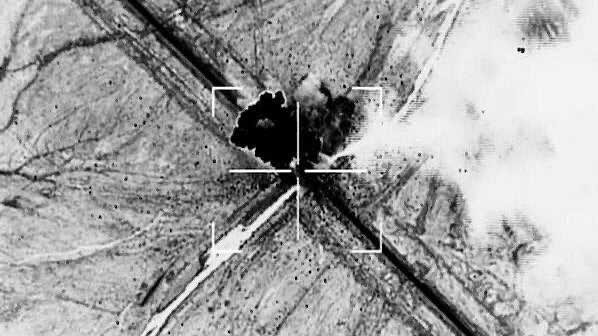
According to the U.S. Central Command (CENTCOM), American forces conducted fresh precision strikes targeting Iranian military logistics hubs, surveillance facilities, underground weapons storage sites, and transportation infrastructure.
Explosions were reported near Jask, Khorramabad, and other locations in southern Iran. U.S. officials said the strikes were intended to weaken Iran’s military capabilities and disrupt its operational networks.
The Pentagon has also reinforced its military presence in the Middle East by deploying additional fighter aircraft and support assets to the region as tensions continue to rise.
Iran Launches Fresh Retaliatory Attacks
Iran responded with another wave of missile and drone attacks, targeting locations associated with U.S. forces and allies across the Gulf region.
According to Iranian state media and regional reports, attacks were directed toward:
- Bahrain
- Kuwait
- Jordan
- Qatar
- U.S. military facilities in the region
- A U.S. naval vessel operating near the northern Indian Ocean
Several Gulf countries activated air-defense systems, intercepted incoming projectiles, and issued public air-raid warnings.
Strait of Hormuz Becomes a New Flashpoint
One of the most significant developments is the growing military activity around the Strait of Hormuz, through which roughly one-fifth of the world’s oil supply normally passes.
Reports indicate:
- Commercial shipping traffic has declined sharply.
- Naval patrols have increased.
- Some vessels have altered routes because of security concerns.
- Military inspections and maritime operations have intensified.
The heightened tension has raised concerns about potential disruptions to global energy supplies.
Oil Prices Climb
The conflict has immediately impacted global commodity markets.
International crude oil prices moved higher as traders reacted to fears that prolonged fighting around the Strait of Hormuz could disrupt exports from the Gulf region.
Gold prices have also attracted increased investor interest as markets seek safer assets during the geopolitical uncertainty.
International Concern Grows
The United Nations and several governments have urged restraint, warning that continued escalation could destabilize the broader Middle East.
Diplomatic efforts remain limited, while regional countries continue strengthening air defenses and preparing for possible further attacks.
Why This Conflict Matters
The latest escalation affects far more than Iran and the United States.
Potential consequences include:
- Rising global oil prices.
- Increased shipping costs.
- Greater risks to international trade.
- Economic uncertainty in global financial markets.
- Higher geopolitical tensions across the Middle East.
Because the Strait of Hormuz is one of the world’s most critical energy corridors, any prolonged disruption could affect fuel prices worldwide.
What’s Next?
Military operations remain active, with both sides continuing to exchange attacks while increasing their regional deployments.
Analysts believe the coming days will be crucial in determining whether diplomatic efforts can reduce tensions or whether the conflict expands further across the Middle East. At present, there is no confirmed agreement for a ceasefire, and governments worldwide continue to monitor the situation closely.
Conclusion
The Iran–US conflict has entered one of its most volatile stages, with sustained military action, retaliatory strikes, and growing risks to global energy security. As hostilities continue, the international community faces mounting pressure to prevent the crisis from developing into a broader regional war.