In this article
Table of Contents
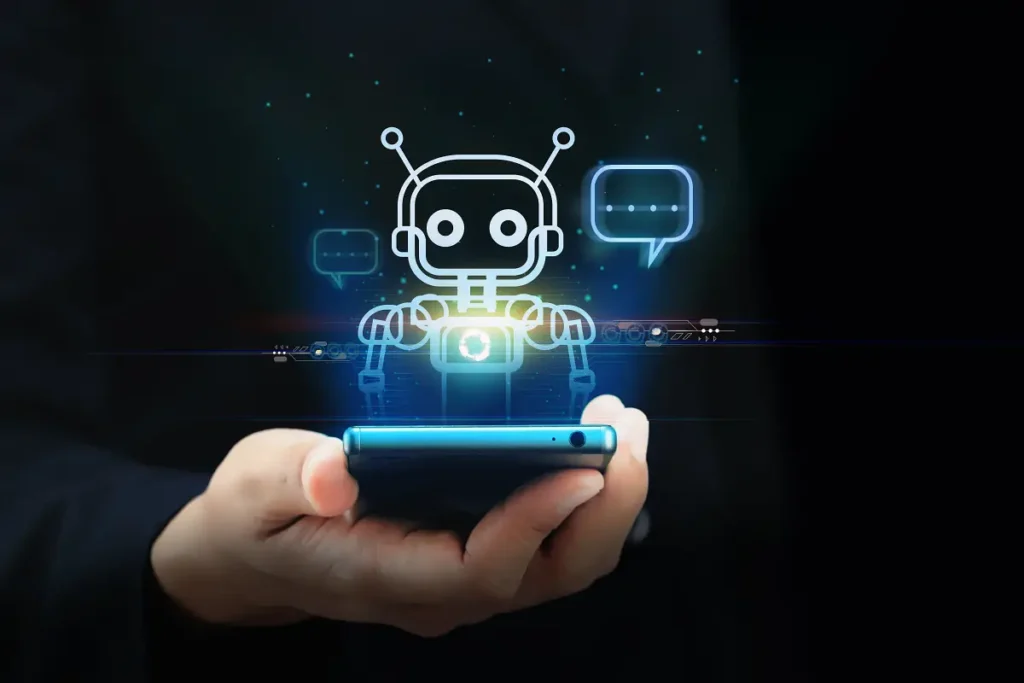
AI agents and chatbots are often mentioned together, but they are not the same thing.
A chatbot is mainly designed to interact with users through conversation. An AI agent can go further by planning tasks, using tools, making decisions within defined limits, and completing multiple steps toward a goal.
In simple terms:
Chatbot = talks with you
AI agent = can potentially act for you
That difference matters as AI tools become more useful for work, research, customer service, productivity, and automation.
What Is a Chatbot?
A chatbot is software designed to communicate with users through text or voice.
You ask a question or give an instruction, and the chatbot responds.
For example:
“Write a follow-up email to a customer.”
A chatbot might generate the email and wait for your next instruction.
Modern AI chatbots can do much more than simple scripted systems. They may summarize documents, explain concepts, generate ideas, help with writing, or analyze information.
However, the interaction is still usually centered around responding to what the user asks.
What Is an AI Agent?
An AI agent is designed to work toward a goal and may perform several actions before returning a result.
Suppose you ask:
“Find the main customer complaints from these support messages and create a summary.”
A simple chatbot might summarize the messages you provide.
An AI agent could potentially:
- Review the messages
- Group complaints by theme
- Identify repeated issues
- Rank them by frequency
- Create a report
- Save or send the report through connected tools
The exact capabilities depend on the system and what tools it is allowed to access.
AI Agents vs. Chatbots
The main difference is how much they can do after receiving your request.
A chatbot usually focuses on generating a response.
An agent may focus on completing a goal.
| Feature | Chatbot | AI Agent |
|---|---|---|
| Conversational responses | Yes | Yes |
| Answers questions | Yes | Yes |
| Uses external tools | Sometimes | Often |
| Performs multiple steps | Limited | More likely |
| Works toward a goal | Sometimes | Core capability |
| Can automate workflows | Limited | Potentially strong |
These categories can overlap.
Some modern AI assistants may behave like chatbots in one situation and like agents in another.
Free Checklist: Chatbot or AI Agent?
Not sure which approach fits your task? Download our free one-page checklist to compare your needs, check permissions, and plan what to review.
Example: Planning a Business Trip
Imagine you need to organize a business trip.
With a chatbot, you might ask:
“Create a three-day business trip itinerary for Chicago.”
It could give you a suggested schedule.
An AI agent with the right integrations could potentially:
- Check your calendar
- Identify open travel dates
- Search available options
- Compare schedules
- Create an itinerary
- Add events to a calendar
- Send reminders
The second experience involves actions, not just conversation.
Example: Customer Support
A chatbot might answer:
“Where is my order?”
An AI agent, if authorized and connected to business systems, could potentially:
- Look up the order
- Check shipping status
- Identify a delay
- Prepare an appropriate response
- Update a support ticket
- Escalate the issue if necessary
That is a more complex workflow.
Are AI Agents Better Than Chatbots?
Not always.
A chatbot may be the better choice when you simply need information, writing assistance, explanations, brainstorming, or quick answers.
An AI agent becomes more useful when a task requires several steps or access to external tools.
The right choice depends on what you are trying to accomplish.
What Are the Risks?
More capability can also mean more responsibility.
An AI system that can take actions needs clear limits.
Important concerns include:
- Privacy
- Access permissions
- Incorrect actions
- Security
- Human oversight
- Data accuracy
For important business, financial, legal, or customer-facing tasks, human review can still be essential.
How Are AI Agents Related to Generative AI?
Generative AI creates content such as text, images, code, or summaries.
AI agents may use generative AI as part of a larger workflow.
For example, an agent could use a language model to understand a request, then use tools to complete parts of the task.
What Is Generative AI? A Simple Explanation and What Is an AI Agent? A Simple Explanation
Final Takeaway
Chatbots and AI agents are closely related, but their roles are different.
A chatbot mainly communicates.
An AI agent may be able to plan, use tools, and complete multiple steps toward a goal.
As AI systems become more capable, the line between the two may continue to blur.
For most users, the easiest way to remember the difference is:
Chatbots answer. Agents can act.